Why does gold keep falling despite the US-Iran ceasefire?
Many expected peace to calm gold, yet it keeps dropping. The reason isn't geopolitics: it's the Federal Reserve and the dollar.

The same question keeps coming up on social media these days: if the US and Iran have reached a ceasefire agreement, why does gold keep falling? Popular logic says less war should be bad for gold as a safe haven, sure, but then why is the drop so sharp and so persistent?
The short answer is this: the ceasefire is not the main driver of the decline. It's barely a secondary factor. What's really weighing on gold is the Federal Reserve and the dollar. Anyone looking only at geopolitics is missing the whole picture.
There are four forces acting at once, and nearly all of them push gold lower.
1. The Fed turned hawkish (this is factor number one)
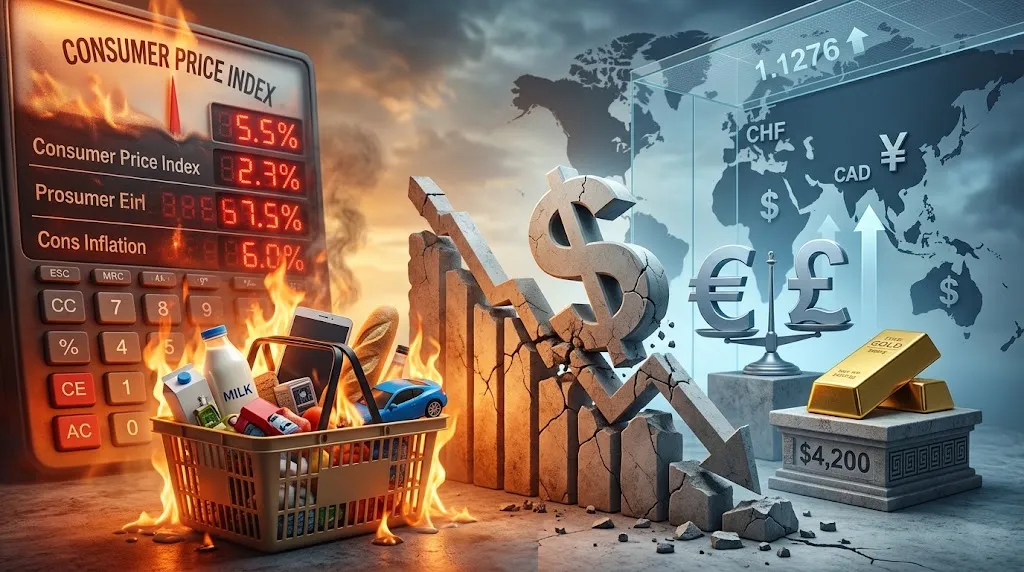
The Federal Reserve cut its rate-cut projection for 2026: from two expected cuts down to just one. The reason? Inflation, especially producer inflation (PPI), came in hotter than expected and isn't easing.
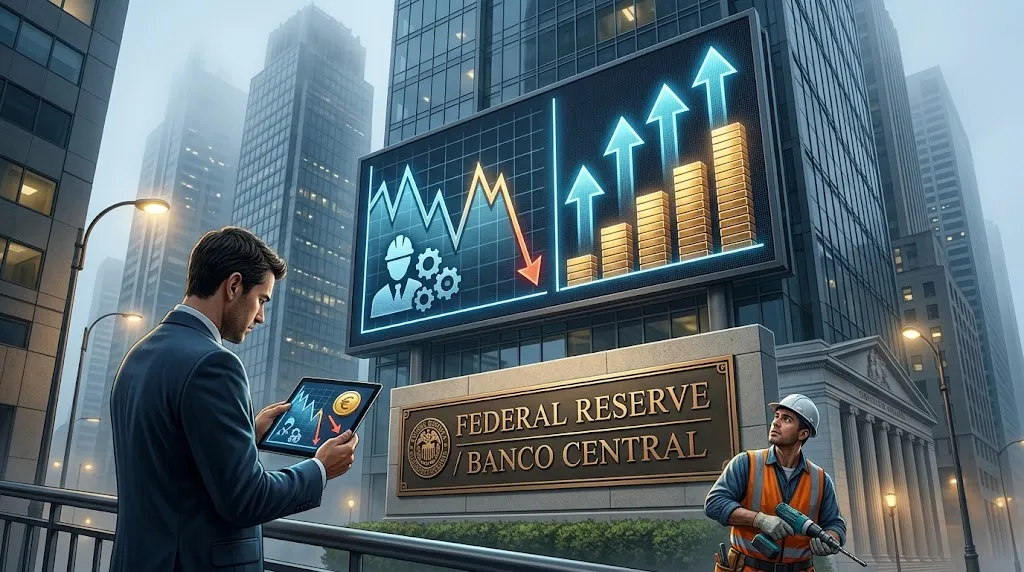
This is key to understanding gold, because gold pays no interest. It distributes no dividends, no coupons. When rates are high and bonds yield well, money tends to flow out of gold and into assets that actually pay. Every time the Fed says "we'll keep rates high for longer," it pulls a support out from under the metal.
2. Jobs data came in too strong
May's non-farm payrolls report surprised to the upside: roughly double what the consensus expected. A strong labor market means an economy that's holding up, and an economy that's holding up gives the Fed even less urgency to cut rates.
The result: the rate cuts the market had priced in evaporated, and gold repriced lower to reflect this new "higher for longer" scenario.
3. A strong dollar and rising yields
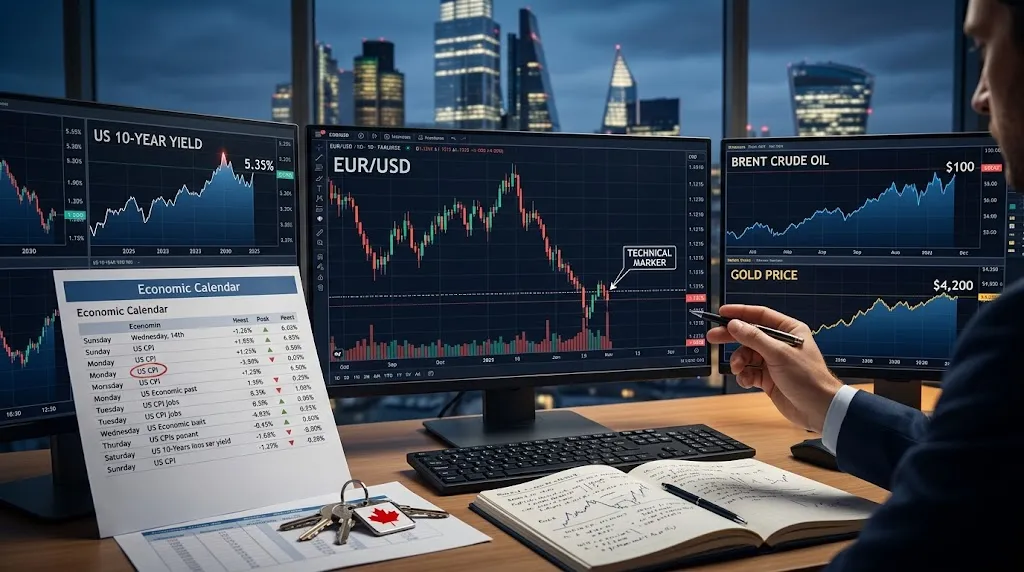
The dollar index surged toward the 99-100 zone, and the yield on the US 10-year Treasury jumped above 4.2%.
Two simultaneous blows for gold:
- Strong dollar, weak gold. Their relationship is almost always inverse. Gold is priced in dollars, so when the dollar appreciates, buying gold becomes more expensive for the rest of the world and demand cools.
- High yields. When safe bonds offer 4% risk-free, the opportunity cost of holding gold (which yields nothing) rises, and many investors rotate into those bonds.
4. The geopolitical irony that confuses everyone
Here's the twist almost no one sees, and the one that explains the confusion online.
Tension in the Middle East, particularly around the Strait of Hormuz, is not helping gold the way you'd expect from a safe-haven asset. The opposite is happening.
That tension pushes oil prices higher. More expensive oil reignites inflation fears. And more inflation forces the Fed to keep rates high, which is precisely what hurts gold.
In other words: the conflict that in theory should support gold as a haven is working against it through the back door, via inflation and rates. And when the ceasefire is then confirmed, what little haven demand was left deflates too. A double blow.
The summary in one sentence
If someone asks you online, this is the answer:
Gold isn't falling because of peace, it's falling because of the Fed. The ceasefire removes its last bit of "safe-haven" support, but the real weight is a strong dollar, rising yields, and a Fed that no longer plans to cut rates. And paradoxically, Middle East oil works AGAINST gold: it feeds inflation and forces the Fed to stay hawkish.
What to watch from here
To know where gold is headed, stop looking only at war headlines and watch these three things:
1. The Fed's tone. Any sign they're contemplating cuts again would be the first fuel for a gold rebound.
2. The dollar and the 10-year yield. As long as they stay strong, gold will struggle. If they turn lower, gold can breathe.
3. Oil. Watch the inflation effect. Surging oil doesn't help gold today: it ties the Fed's hands.
Gold remains a thermometer of real rates and the dollar far more than of war headlines. Understanding that difference is what separates someone who reacts to headlines from someone who understands what truly moves the market.