
Macro
27 articles
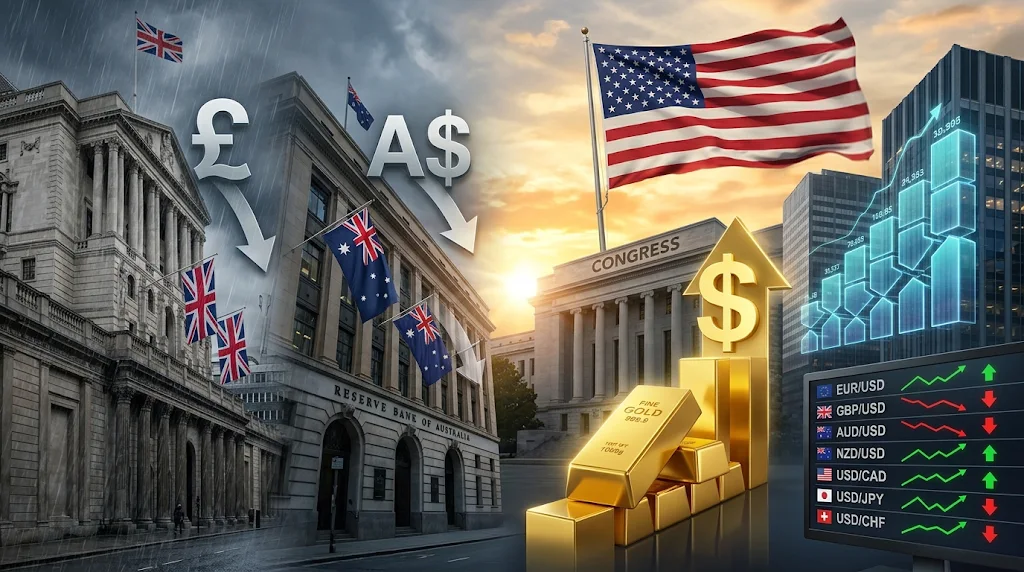
Two central banks hiked, their currencies fell, and the dollar took the week
The RBA and the Bank of England raised rates, and the Australian dollar and the pound still ended the week lower against the dollar. Democrats swept Congress, US payrolls rose 165,000, and gold gained 4.92%. The new tell is AUD/USD at 0.6854 and 0.6952.
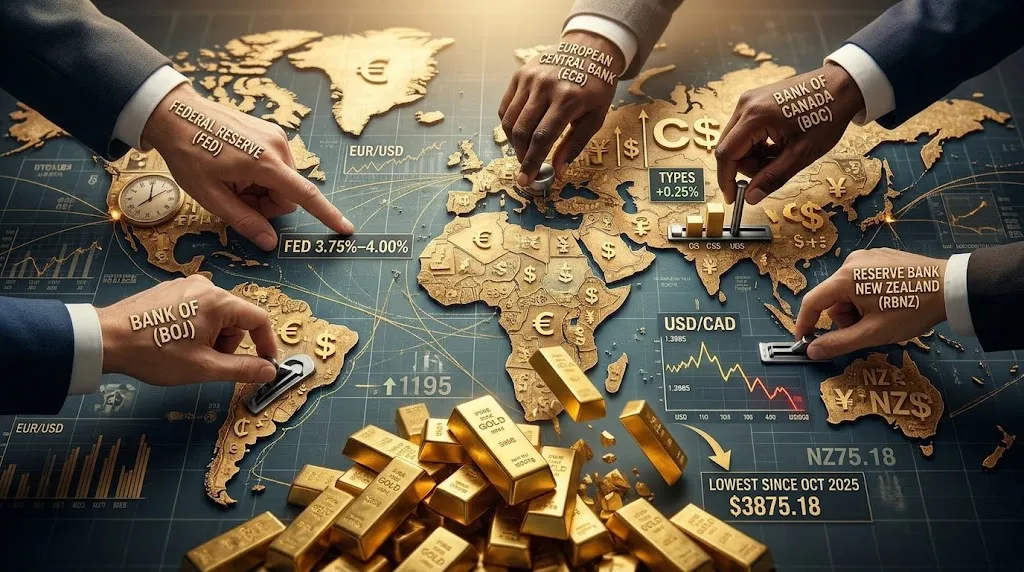
Five central banks decided, and gold ended the week at a one-year low
Gold fell 3.54% on Friday to $3,875.18, its lowest since early October 2025, after a week in which five central banks decided. USD/CAD closed below the 1.3985 level named in last week's tell, and EUR/USD now faces 1.1103 and 1.1269.
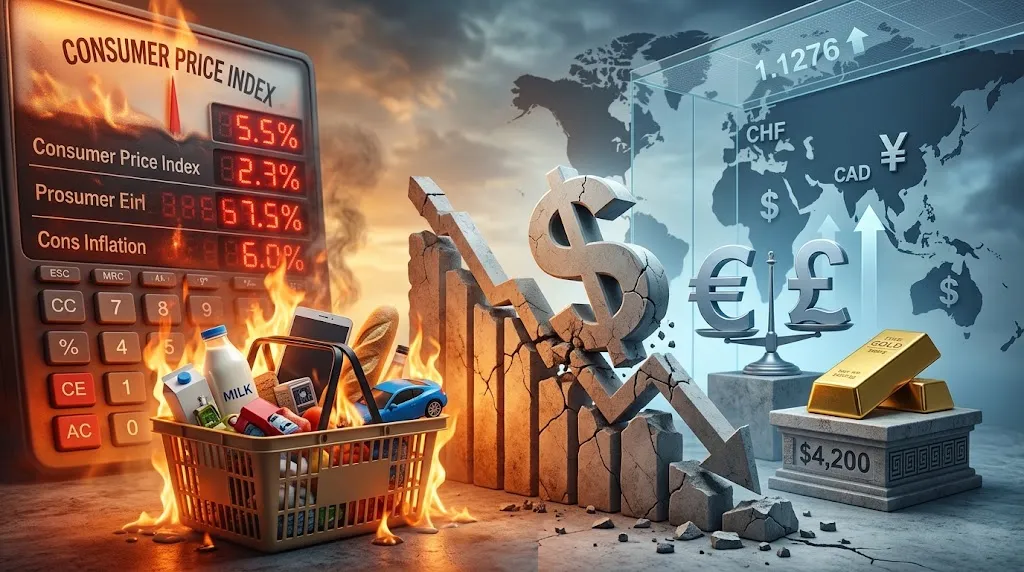
US inflation ran hot, and the dollar fell anyway
US consumer and producer prices beat forecasts, yet the dollar fell against six of the seven majors on the week. Gold's $4,200 ceiling held, and EUR/USD now faces 1.1276.
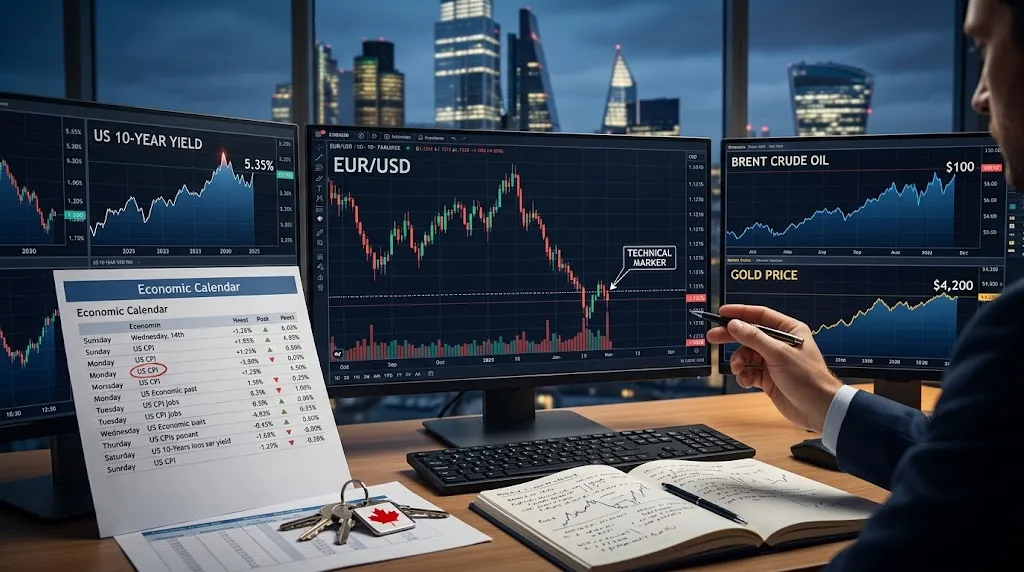
The euro broke 1.1215 as US yields hit a 2002 high
EUR/USD lost its line on Wednesday, the day the US 10-year yield hit 5.35%. Yields were already easing when Trump ruled out striking Iran before the midterms.
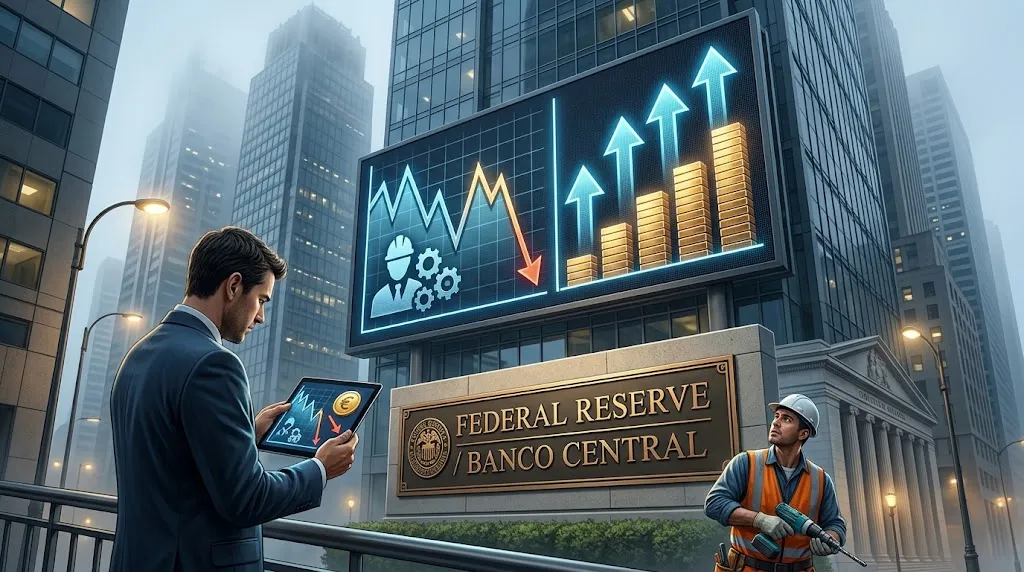
Payrolls took October off the Fed's table, and yields rose anyway
September payrolls rose just 29,000 and took an October Fed hike off the table. So why did US yields close Friday higher, and the euro lose 1.22% on the week?

Yields at a 19-year high and a dollar that beat every major
The US ten-year yield hit a 19-year high and the dollar rose against all seven majors in our feed. So why did it reach the top half of our strength table only once?
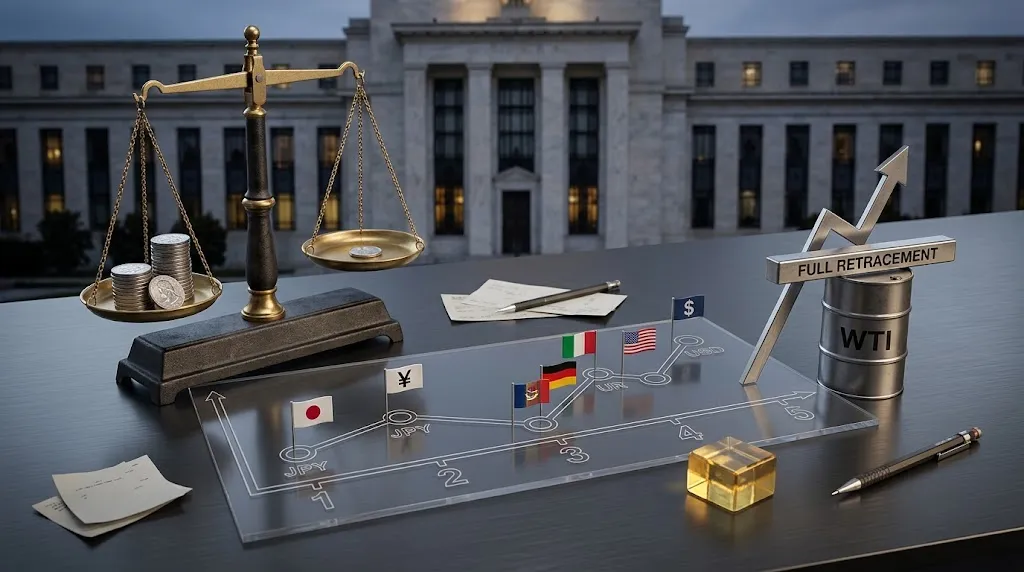
The Fed hiked and the dollar led none of the week's five sessions
Three central banks decided in three consecutive sessions, the barrel climbed and gave the whole move back, and the dollar index closed at a late-July high — so how did the dollar finish in the bottom three of eight in all five sessions, and what does that leave open?

Oil went from a shipping story to a rate hike in five sessions
Tankers on Monday, a ten-year yield touching 5% on Friday, a European Central Bank hike in between and a core inflation print above forecast - and the dollar never once topped our basket. What actually drove the week, and what is the tell for the next one?

Payrolls came in at nearly three times the forecast, so why did the dollar still lose the week?
Five readings, five different leaders, a war that escalated, a twenty-month high in yields and a payrolls print at nearly three times consensus — and the dollar still finished lower. What actually moved it, and what is the tell for next week?
The dollar started the week at three-month lows, so how did it win the week?
Five sessions, three leaders and none of them two days running — until Warsh put the Fed back in the hiking camp and the dollar headed for a weekly gain of close to 1%. The arc, what he actually said, and the September meetings the desks are already naming.
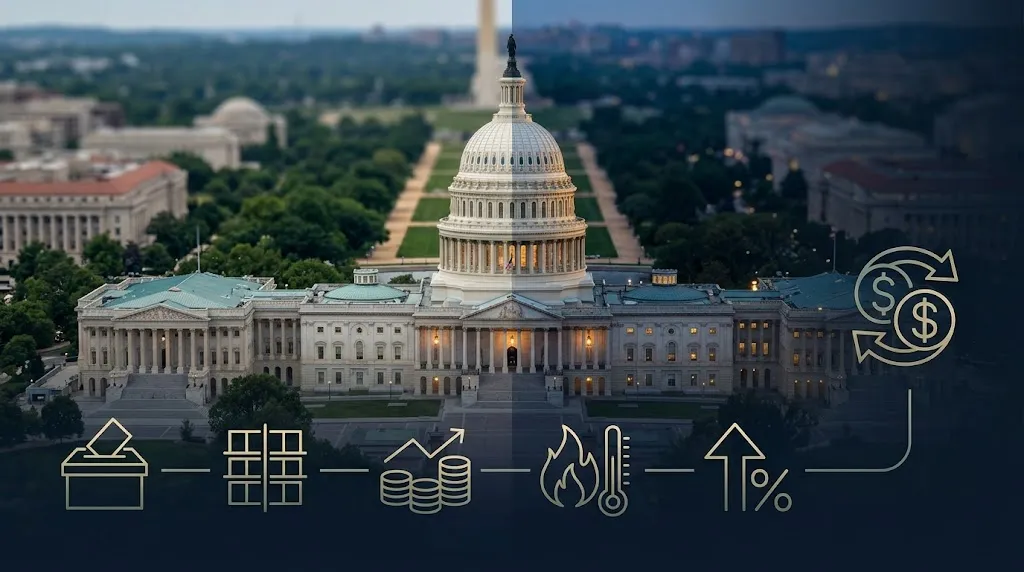
How do US midterm elections move the dollar?
A worked example of how geopolitics affects forex: midterm elections do not move the dollar because of who wins, but because of whether government ends up divided. The chain runs from spending to inflation, then to rates, and only then to the exchange rate.
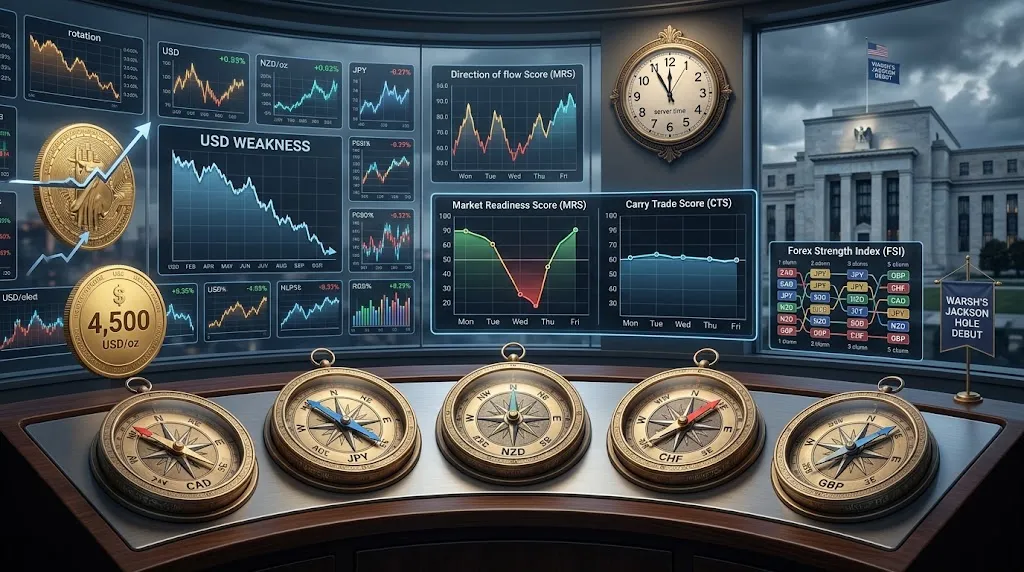
The dollar fell all week, so why did the winner change every day?
Five sessions of dollar weakness produced five different winners: CAD, JPY, NZD, CHF and GBP. That rotation, not the slide itself, is what Warsh’s Jackson Hole debut will test next week.

Week ahead: US CPI, Warsh, and a crowded yen trade
US inflation sets the tone this week, the yen is the crowd's favourite trade, and our indicators show a market coiled tight ahead of Tuesday.

Rate Cuts Are Off the Table: A Hawkish Fed Is Reshaping Every Major Pair
For two years the only question was when the Fed would cut. Now the market is pricing the opposite — and it is rewriting the dollar, gold and the yen all at once.

De-dollarization: headline fashion or structural shift?
"De-dollarization" returns to the headlines every few months. Rabobank now lists it alongside cyclical drivers for the Dollar — so it is worth separating the slow structural story…

Sintra: Why Will Markets Listen Hardest When Warsh Says the Least?
The Fed's Kevin Warsh, the BoE's Andrew Bailey and the ECB hosts take the Sintra stage on Wednesday — and with rate cuts already priced out, the risk for traders sits in the…

Gold Tops $5,000: What Does It Tell a Forex Trader About the Dollar?
Gold smashed its record above $5,000 and banks are already eyeing $6,000. Why does a metal that pays nothing soar when the dollar wobbles, and what can you read from it in Forex?

What Happens to the Dollar When the Fed's Independence Is Questioned?
Central-bank independence is a currency's silent foundation. What happens to the dollar when that independence is called into doubt, and why does gold reflect it instantly?

