George Soros: the man who broke the Bank of England
On one day in 1992, a single fund bet $10 billion the pound would break — and a central bank surrendered. A clean lesson in price versus fundamentals.

On one day in 1992, a single fund bet $10 billion that the British pound would break — and forced a central bank to surrender.
The setup
By 1992, the pound sterling was pinned inside Europe's Exchange Rate Mechanism (ERM), a system that fixed member currencies within tight bands. To stay in, Britain had to keep the pound propped up near a set rate against the Deutschmark.
There was just one problem: the pound was, by most measures, overvalued. Britain's economy was weak, and its interest rates were painfully high purely to defend the peg. George Soros and his Quantum Fund saw a currency held up by policy, not by fundamentals — and a peg is only as strong as the will to defend it.
The trade
In the days before 16 September 1992, Soros's fund built a short position against the pound, ramping it up to roughly $10 billion — a bet, on a fund of about $15 billion, that sterling would fall. The position was built day to day by Quantum's lead portfolio manager, Stanley Druckenmiller; Soros's own contribution was to insist the bet was far too small.
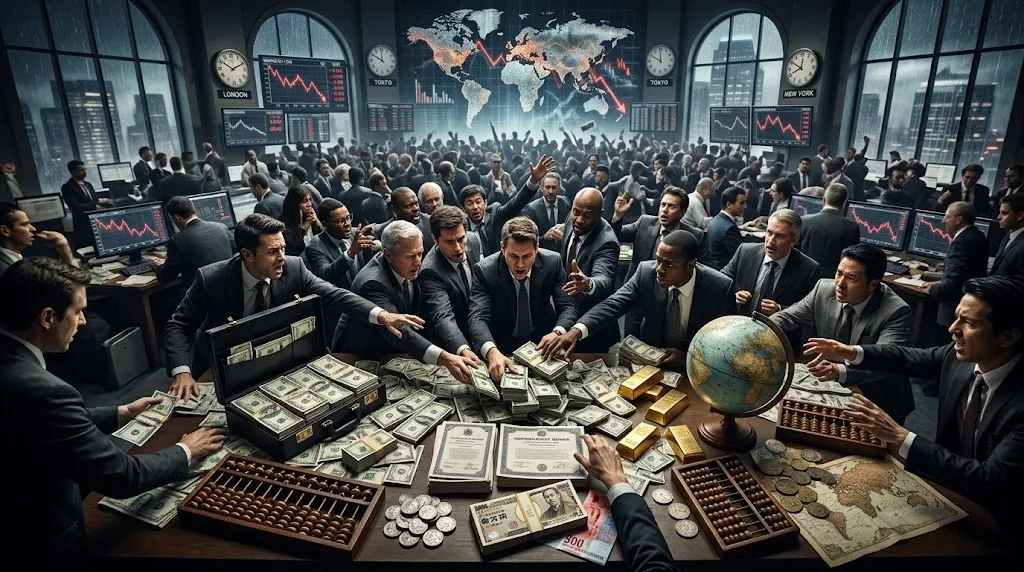
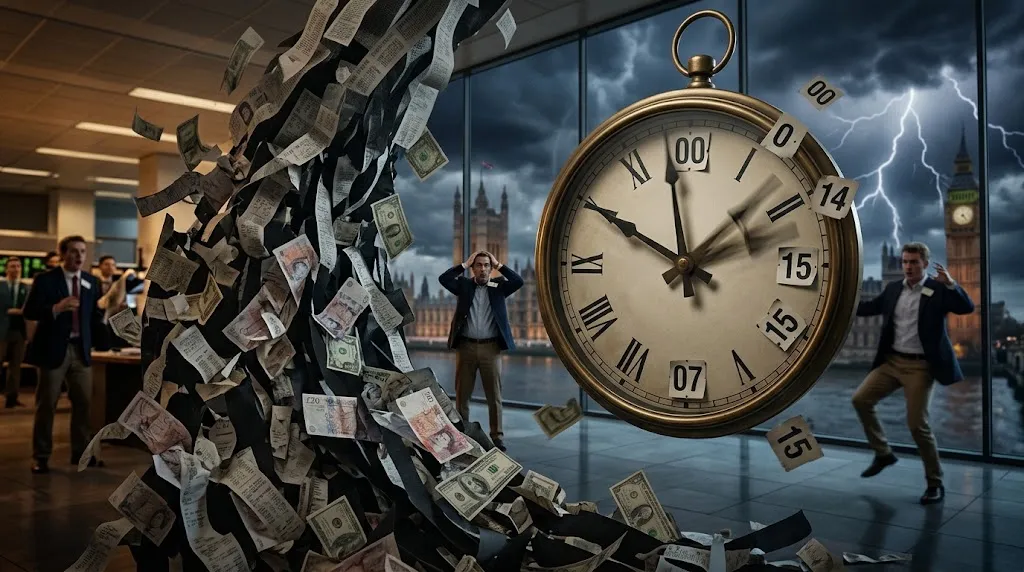
On the morning of "Black Wednesday," the Bank of England fought back: it bought pounds by the billion and hiked interest rates twice in a single day, to a stunning 15%, trying to hold the line. It didn't work. By evening Britain crashed out of the ERM and let the pound float. It promptly fell — around 15% against the Deutschmark and 25% against the dollar. Soros's fund reportedly booked over $1 billion in profit, and he became "the man who broke the Bank of England."
How much did Soros make shorting the pound?
The Quantum Fund's profit on the trade is widely reported at more than $1 billion — booked in a matter of days, from a short position of roughly $10 billion run on a fund of about $15 billion. The other side of the ledger is less famous: the UK Treasury later put the cost of Black Wednesday to the taxpayer at around £3.3 billion. That asymmetry is the whole point of the story — the fund did not need to be bigger than the Bank of England, only right about a price the Bank could no longer defend.
Why couldn't the Bank of England just win?
A central bank's ammunition is finite. It can only buy its own currency with the foreign-exchange reserves it holds, while a fund like Quantum can keep selling as long as it has credit. Raising rates to 15% was meant to make holding pounds attractive, but it also threatened to crush an already weak economy — and the market read the second hike of the day as panic, not strength. That is the trap of defending a price the fundamentals don't support: the market can keep pressing longer than the bank can keep paying. Once the defence looks desperate, it is already over.
What it actually teaches
Strip away the legend and Black Wednesday is a clean lesson in how currencies really move:
- A currency's price isn't its value. Soros wasn't reading a chart; he judged the pound fundamentally overvalued versus the mark. That relative-strength read is exactly what our FOTSI currency-strength oscillator is built to surface.
- Central banks set the stage. The whole trade was about a peg and the monetary policy behind it. When a rate or a peg is unsustainable, the market eventually forces the issue.
- It was a bet on the pound. The pair at the centre of it all was sterling-dollar — the one traders nicknamed "Cable". Fittingly, a young Andrew Krieger left his own famous trade to go and work for Soros.
You won't move a central bank. But you can learn to spot when price and fundamentals disagree — and let the gap do the work.
To see how this story compares with the other ten, read our guide to the biggest trades in history.
Figures are widely reported historical accounts of the 1992 trade.