Jesse Livermore: the boy who shorted the 1929 crash
He made $100 million betting the 1929 crash would come — then lost every cent. The Boy Plunger’s real lesson isn’t timing; it’s discipline and risk.

He made $100 million betting the 1929 crash would come — then lost every cent of it. The same man, the same skill, opposite endings.
The setup
They called him the "Boy Plunger." Jesse Livermore started trading as a teenager in Boston's "bucket shops" — betting parlours for stock prices — and was banned from most of them for winning too often. By his thirties he was one of the most famous speculators in America, having already made and lost several fortunes.
In 1929, while Wall Street partied at record highs, Livermore grew convinced the market was a bubble. Everyone else was buying. He decided to bet the other way.
The trade
Through the summer of 1929 he quietly built enormous short positions, reportedly spread across more than 100 brokers to hide their size. His early probes cost him millions — the market kept rising. He held.
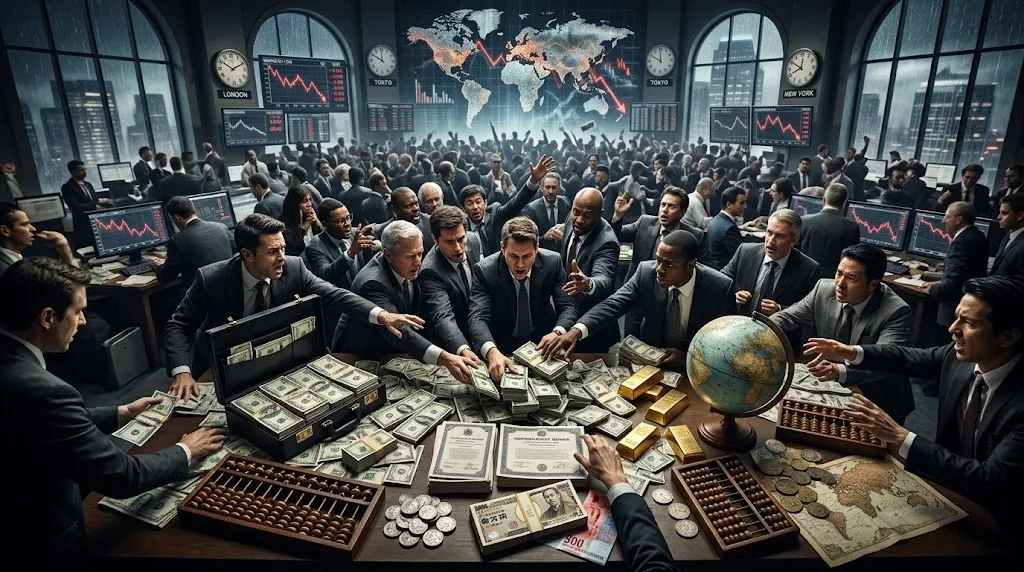
Then, in late October, "Black Monday" and "Black Tuesday" hit and the market collapsed. Livermore's shorts paid off to the tune of roughly $100 million — a fortune worth well over a billion in today's money. Newspapers called him the "Great Bear of Wall Street"; he received death threats and hired a bodyguard.
Here's the part most people skip: within a few years, Livermore had lost all of it. He broke his own rules, over-traded, over-sized, and went bankrupt. The greatest bear-market call in history couldn't save a man who couldn't manage himself.
What it actually teaches
Livermore's genius was reading the market's turn. His downfall was everything after the entry — and that's the part you actually control:
- Discipline beats brilliance. Livermore wrote his own trading rules, then broke them under pressure. Staying rule-bound when it's hard is the whole game — see how to keep trading discipline.
- A fortune can't survive bad risk. Going from $100M to zero isn't bad luck; it's position sizing. Understand drawdown and how much to risk per trade before you scale up.
- Write it down. Livermore obsessively logged his trades — the habit behind every edge he had. It's why we treat a trading journal as a psychological tool, not paperwork.
Livermore called the market the greatest game in the world. It also ruined him. Admire the timing — then respect the risk he didn't.
To see how this story compares with the other ten, read our guide to the biggest trades in history.
Figures are widely reported historical accounts.