Why is GBP/USD called 'Cable'?
Traders call GBP/USD 'Cable' after the 1866 transatlantic telegraph that carried the rate between London and New York — still the market's most storied liquid pair.

The nickname has nothing to do with your electricity bill — it's a 160-year-old telegraph story still humming through the pound.
Two weeks to two minutes
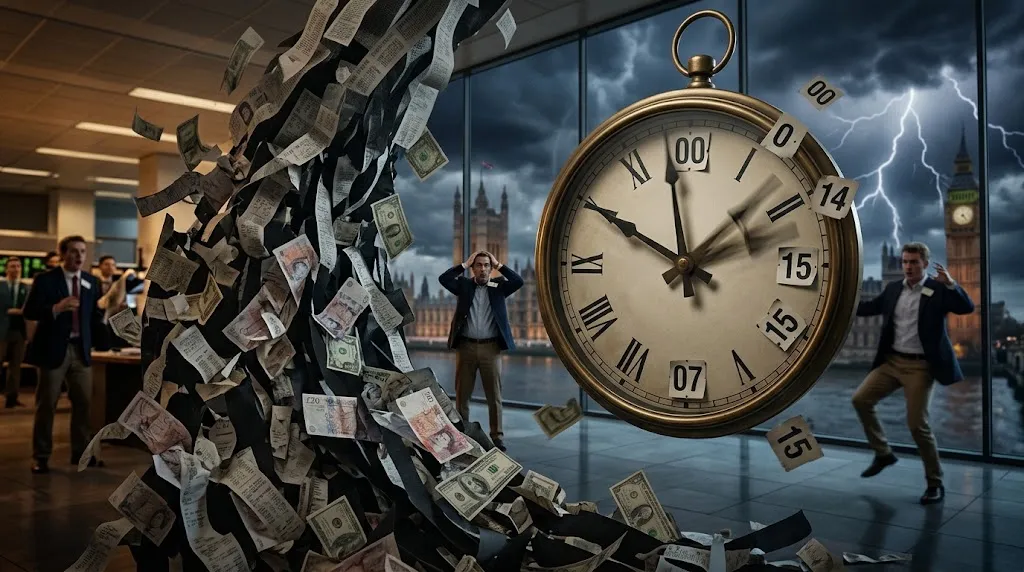
Before 1866, a pound-dollar quote crossed the Atlantic by ship — a week or more each way. Then, in July 1866, the first durable transatlantic telegraph cable was laid, and London and New York could suddenly swap the sterling-dollar rate in minutes. The slogan of the age said it all: "two weeks to two minutes." The Times printed the first cabled exchange rate on 10 August 1866.
The name that outlived the wire
Traders started calling the sterling-dollar rate "the Cable," after the wire itself. The copper telegraph is long gone — today it's fibre optics and satellites — but the nickname stuck for over 150 years. When a trader says "Cable is bid," they mean GBP/USD.
Still the London–New York pair
Here's why it matters today. The cable physically joined London and New York, and Cable is still the pair that lives on that axis. GBP/USD is most active during the London–New York overlap, the few hours when both financial centres trade at once — the window where FX volatility actually lives.
One of the most liquid pairs alive
Cable is also one of the most liquid pairs in the world — tight spreads, deep books, easy to get in and out. That depth is exactly why timing matters so much for it; see where it concentrates in our guide to liquidity in forex. Trading Cable when its session is awake is half the battle — which is what our Market Readiness Score is built to flag before you click.
A family of market nicknames
Cable keeps good company: the kiwi (NZD) and the loonie (CAD) come from birds on coins, the aussie (AUD) is plain slang — and Cable comes from a wire under the ocean. Every one is a story the market kept.
So next time you hear "Cable," picture a copper wire on the Atlantic seabed in 1866 — still carrying the pound-dollar rate today.
Source: the first cabled GBP/USD rate ran in The Times on 10 August 1866.