

Trading styles
9 articles
There is no perfect strategy: its result depends on the pair, the hour and the time you can actually give it. We measure each style against our own bars.

Is there a perfect trading strategy?
We tested a simple rule on ten pairs across all twenty-four hours: 240 combinations, and only nine survive the cost of trading. There is no perfect strategy — there is context.
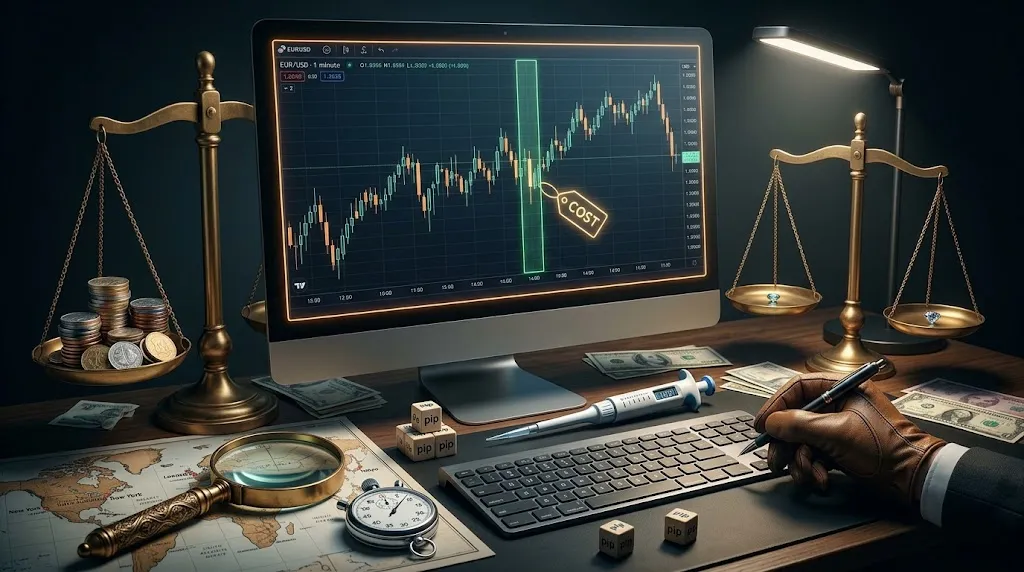
How much does price move in one minute?
EUR/USD's median one-minute candle measures 1.30 pips, and 38.5% of minutes don't reach one. Measured across five pairs and 225,000 candles per pair: how much material does the market leave a scalper?
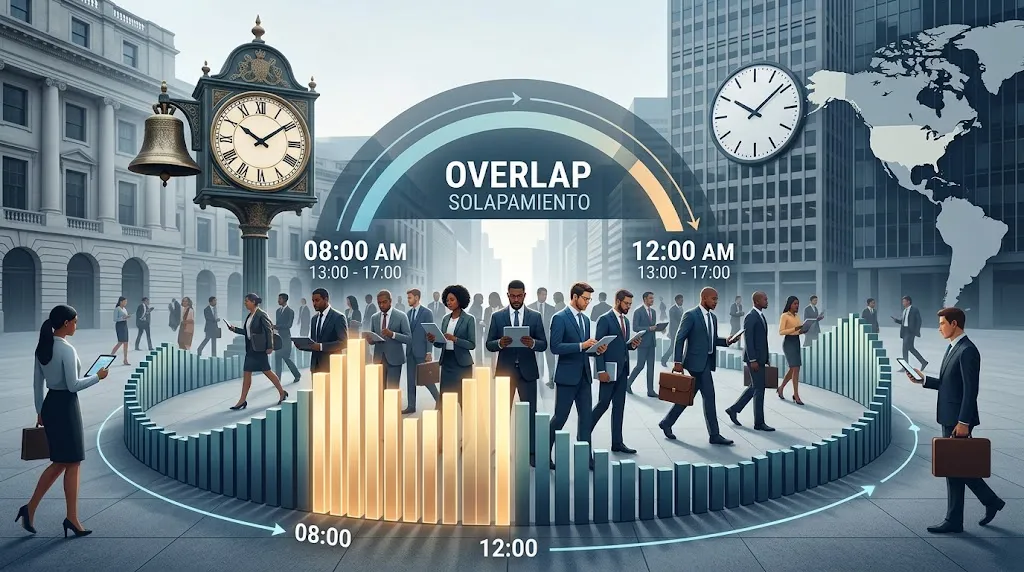
What hours do you actually need to trade intraday?
Between midnight and eight in the morning New York time, the day has already travelled a median 61.7% of its range. Measured across ten pairs and 5.7 years: day trading does not ask you for hours, it asks for particular ones.

What does trading the news demand?
In the NFP hour the candle widens by a median of 2.35 times, across 469 cases. Trading the news does not ask for your time: it asks you to stomach your risk doubling in the release hour.
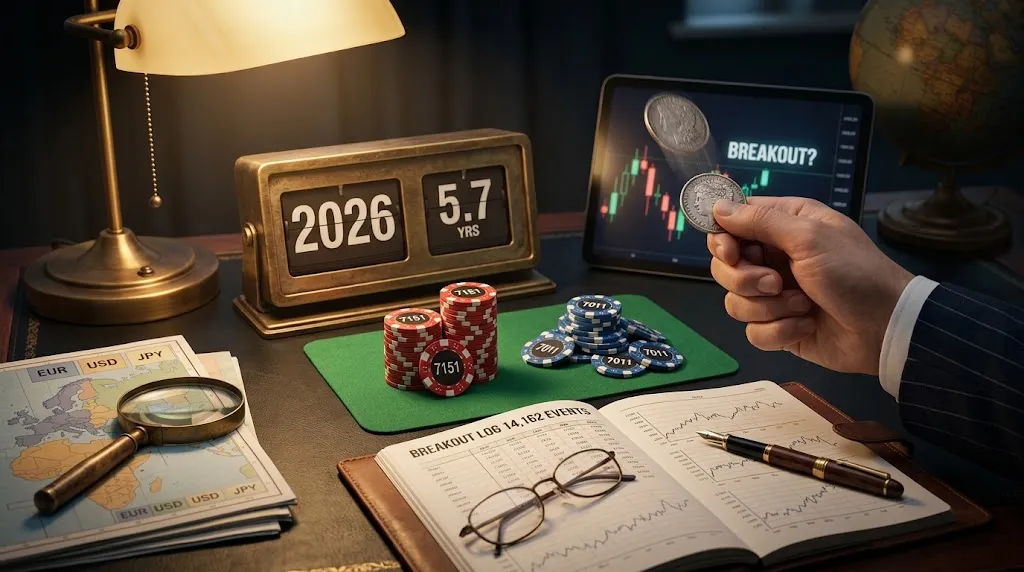
How many breakouts actually continue?
Of 14,162 breaks of the previous day's extreme, 50.1% closed outside and 49.9% came back inside. Measured across ten pairs and 5.7 years: the break alone is a coin flip.

How often does price go nowhere?
Half of all days close inside the previous day's range, but only 14.1% stay entirely inside. Measured across ten pairs and 5.7 years: that gap is the whole range-trading style.

How much do you sit through before a trend pays?
To collect the median three-month move, price went against you by a median of 62% of that move first. Measured across almost 14,000 windows of 60 business days.
How much does price move if you hold for a week?
Holding ten days instead of one doesn't multiply the move by ten, but by 3.3. Measured across ten pairs and 5.7 years, together with the real size of the weekend gap.
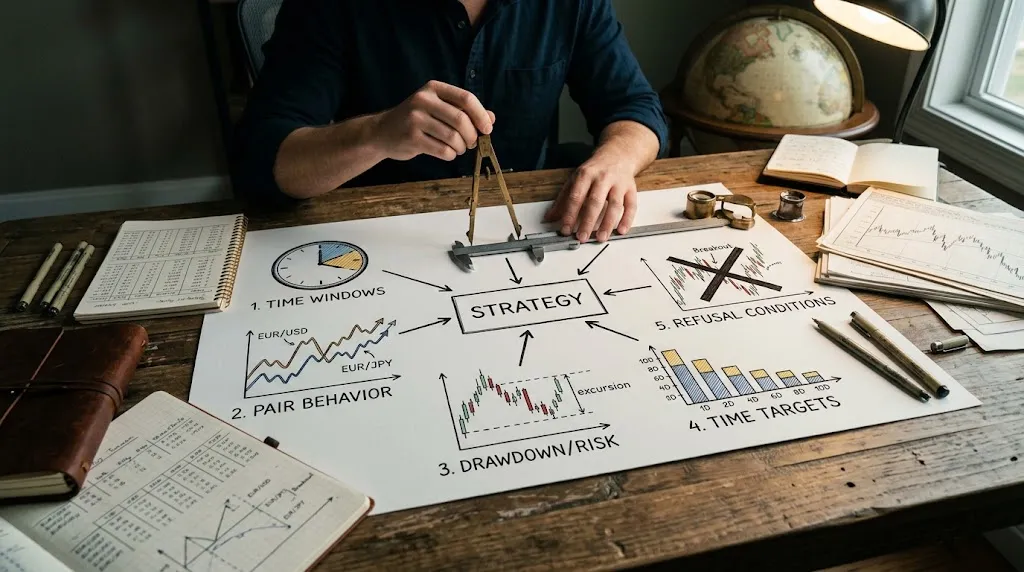
What if you built your strategy backwards?
Five measurements from the series plus a new table: how many pips does each time window actually offer across ten pairs? Not the strategy — the floor.

