Jérôme Kerviel: the junior trader who hid €50 billion
A trader on an ordinary desk built €49.9 billion in hidden positions. Unwinding them over three days cost Société Générale €4.9 billion.
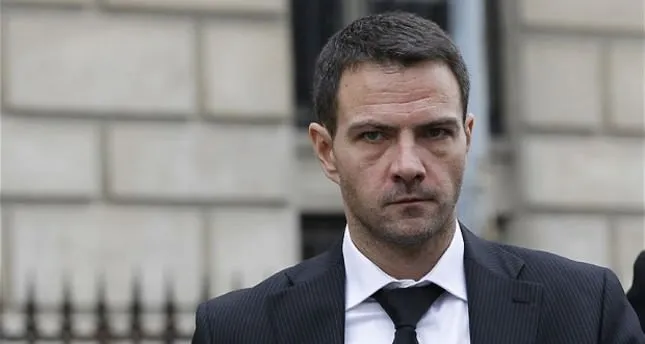
In January 2008, Société Générale discovered that one trader on an unremarkable desk had built unauthorised positions worth €49.9 billion. Closing them took three days and cost the bank €4.9 billion. What makes Jérôme Kerviel's story worth your time is not the size of the number — it is that the year before, the same positions had been winning.
From the back office to Delta One
Kerviel joined Société Générale in 2000, not as a trader but in the middle office — the side of the bank whose job is to check what the traders are doing. In 2005 he was promoted onto the Delta One desk in Paris. He therefore knew, from the inside, which controls existed and how they were reconciled. That is the detail that separates this case from a simple story of a reckless gambler: the concealment was informed.
The €49.9 billion nobody saw
Kerviel's real positions ran far beyond his mandate, offset in the books by fictitious hedging trades that made the net exposure look ordinary. By the end of 2007 the hidden book was up around €1.4 billion — and this is the part worth sitting with. A concealed position that is winning is the hardest one to confess and the easiest one to increase. Nothing about a profitable month tells you your size is survivable.
The three days that cost €4.9 billion
The bank found the positions on 19 January 2008 and began unwinding them on Monday the 21st, closing everything over three sessions into markets that were falling hard. The 2007 gain of €1.4 billion, set against roughly €6.3 billion lost on the way out, is where the famous €4.9 billion figure comes from. Société Générale announced it publicly on 24 January. Kerviel was convicted on 5 October 2010 and sentenced to five years with two suspended; the €4.9 billion in damages originally ordered against him was cancelled by France's Cour de cassation in March 2014, which pointed to the bank's own failings.
What it teaches any trader
The same lesson as Nick Leeson thirteen years earlier, which is exactly why it is worth repeating: a position nobody can see is a position nobody can size. You do not need a bank's balance sheet to reproduce this — hiding a losing trade from your own journal, or moving a stop "just this once", is the retail version of the same move. The defences are unglamorous and they are arithmetic: a fixed risk per trade, a drawdown limit you actually respect, and an honest look at the math of ruin.
To see how this story compares with the other ten, read our guide to the biggest trades in history.
This is historical storytelling, not investment advice. Figures are from Société Générale's public account of the affair and the subsequent court rulings.