Why do they call the yen carry trade the 'widow-maker'?
For years the yen carry trade pays like clockwork — then wipes out months of gains in days. The story behind forex's darkest nickname, and the risk lesson inside it.

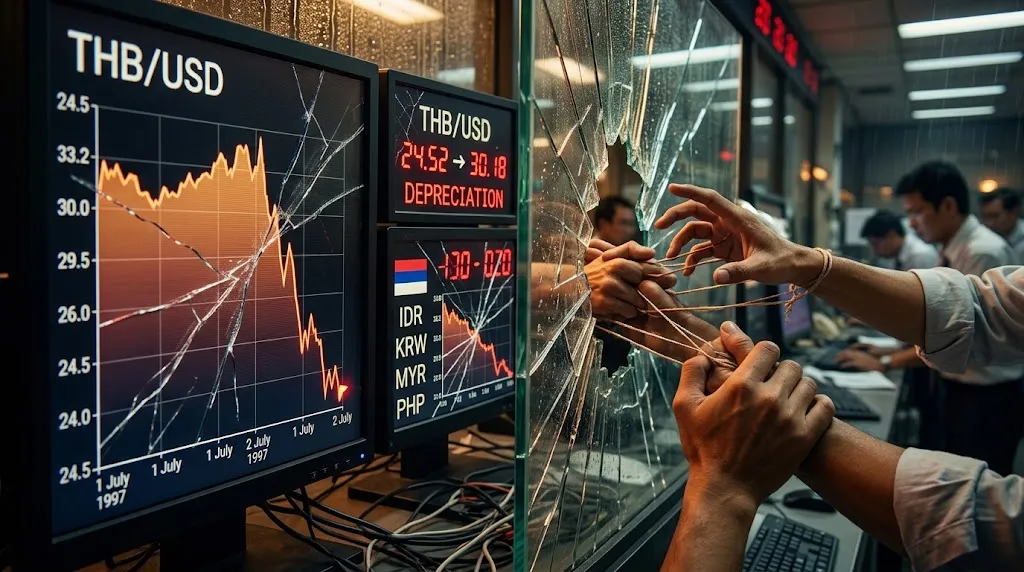
For years it pays you like clockwork: you borrow cheap yen, park it in a higher-yielding currency, and pocket the difference every single day. Then, in the space of a few sessions, the yen snaps back and wipes out months of gains. That brutal rhythm — slow, boring profit followed by a sudden blow-up — is why traders gave the yen trade one of the darkest nicknames in finance: the "widow-maker."
Where does the 'widow-maker' name come from?
The term was born not in forex but in bonds. For over two decades, hedge funds bet that Japanese Government Bond (JGB) yields had to rise — and for over two decades they were wrong, as the Bank of Japan pinned rates near zero. So many funds bled to death on that trade that it became known as the widow-maker. The nickname then jumped to the yen itself, because the currency version rhymes: it punishes the same kind of confident, one-way bet.
Why does the yen fund carry trades?
Japan has kept interest rates ultra-low for a generation, which makes the yen the world's favorite funding currency: you borrow it for almost nothing to fund positions elsewhere. That is the carry trade — and exactly what our CTS score measures. The catch is that everyone crowds onto the same side. When risk appetite turns — a shock, a surprise move from the BoJ — everyone unwinds at once, buying back yen in a stampede. The carry you earned in droplets is repriced in a flood.
The lesson for your trading
The widow-maker isn't a warning against the carry trade; it's a warning about how you size it. A position that pays 3% a year and can lose 8% in a week only survives if you risk little per trade and respect the math of ruin. The traders the yen actually widowed weren't wrong about the carry — they were wrong about their size.